
Context
Tim was 30 years old, working as a sales manager at a major multinational HR company in the Netherlands, and by every visible marker, winning. The apartment he’d wanted. The car. A title that carried weight. He had accelerated early and arrived at the destination faster than most people his age.
He will tell you himself that he was genuinely happy with what he’d built. That’s an important detail. This wasn’t a story about unhappiness or crisis. It was something subtler, and in some ways more interesting: he had reached the end of one map and realised he’d need to draw the next one himself.
“I’m 30,” he told me early in our first session, “and I feel like I’ve already done the thing. So what now?”
He came to Bali for a 5-day private Reset Retreat. From there, we continued with weekly online sessions for three months.
The Real Question
The question Tim was sitting with wasn’t unusual for someone at his stage, but it’s one that doesn’t get talked about much. Most conversations about career dissatisfaction assume there’s something wrong — stress, misalignment, a toxic environment. Tim’s situation was different. Things were working. He was respected. He liked elements of what he did. He just couldn’t shake the feeling that the trajectory he was on wasn’t ultimately his.
He had optimised for external success — and been good at it. But what he hadn’t yet done was decide what success meant to him, independent of the benchmarks that had been obvious to pursue in his twenties. That’s not an easy thing to untangle, especially when the external results have been genuinely rewarding.
A note on this case
The retreat days started in the water. Bali offers the kind of surfing that puts things in perspective quickly — clean swells, waves that don’t care how good your last quarter was. For Tim, who had spent years in an environment where output and control were paramount, the ocean offered something rare: a space where you can’t think your way through. You feel it, you read it, you go or you don’t. Some of the most useful insights of the week came during those morning sessions — not as conclusions, but as something that opened in him. The mindset sessions that followed each morning were where we made them concrete.
5
Day Reset Retreat
30
30 Years Old, New Direction
3
Months Online Coaching
What We Worked On
The five days of the retreat were built around daily mindset sessions — structured but not rigid. We followed a clear progression.
We started with what Tim actually valued — not his professional values, which he could articulate fluently, but the personal ones. The things that, when present in his daily life, made him feel right, and when absent, left him restless. Getting precise about those gave us a new lens through which to assess his current situation and any future one.
From there, we looked at the beliefs shaping his choices. Tim had several operating assumptions about what someone at his stage was supposed to want, how ambitious people were supposed to act, and what moving differently might cost him. Some of those assumptions were useful. Others were not — they were inherited rather than chosen.
In the last phase of the retreat, we moved to goal definition and planning. Not a new career dreamed up in the abstract, but a set of concrete, realistic objectives with a structure for pursuing them. The three months of weekly online sessions that followed were where he turned that structure into actual decisions and actual movement.
Where Tim started
- Externally successful, privately uncertain
- Goals inherited, not chosen
- No language for what was missing
- Trajectory clear but not his own
Where Tim ended up
- Clear on what he actually valued
- Goals defined from the inside out
- Career pivot made deliberately
- Director role, different company, real fit
Where he Is Now
Tim went back to the Netherlands and made a move. He left the multinational environment and took on a director role at a smaller company — one where he had more genuine influence over direction, culture, and what got built. A decision he made not out of dissatisfaction with where he was, but from clarity about where he wanted to go.
He describes being more engaged in his work now than he has been in years — not because the role is easier, but because it was chosen deliberately rather than defaulted into. The success is still there. It just fits better.
“Dris helped me redefine my goals and set a clear plan with objectives. This coaching was exactly what I needed.”
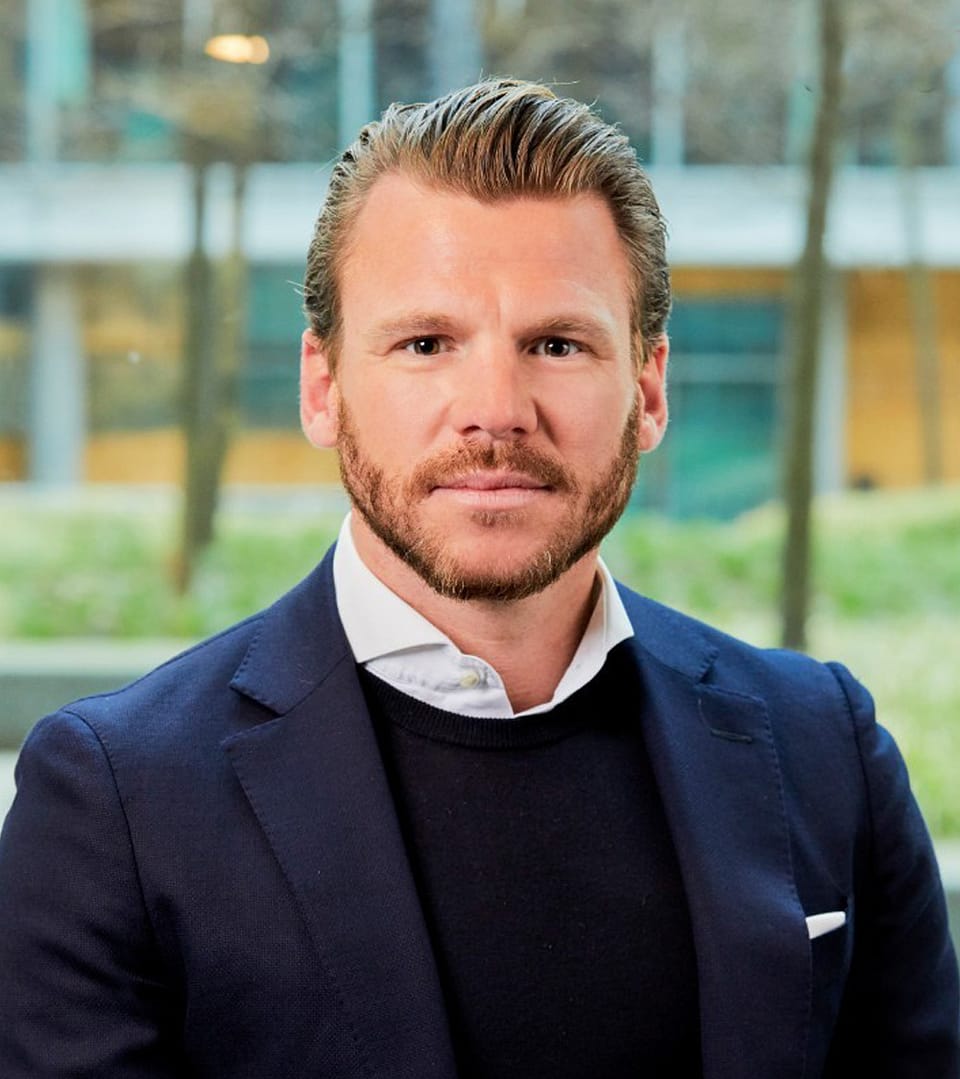
— Tim
Director, Netherlands