Context
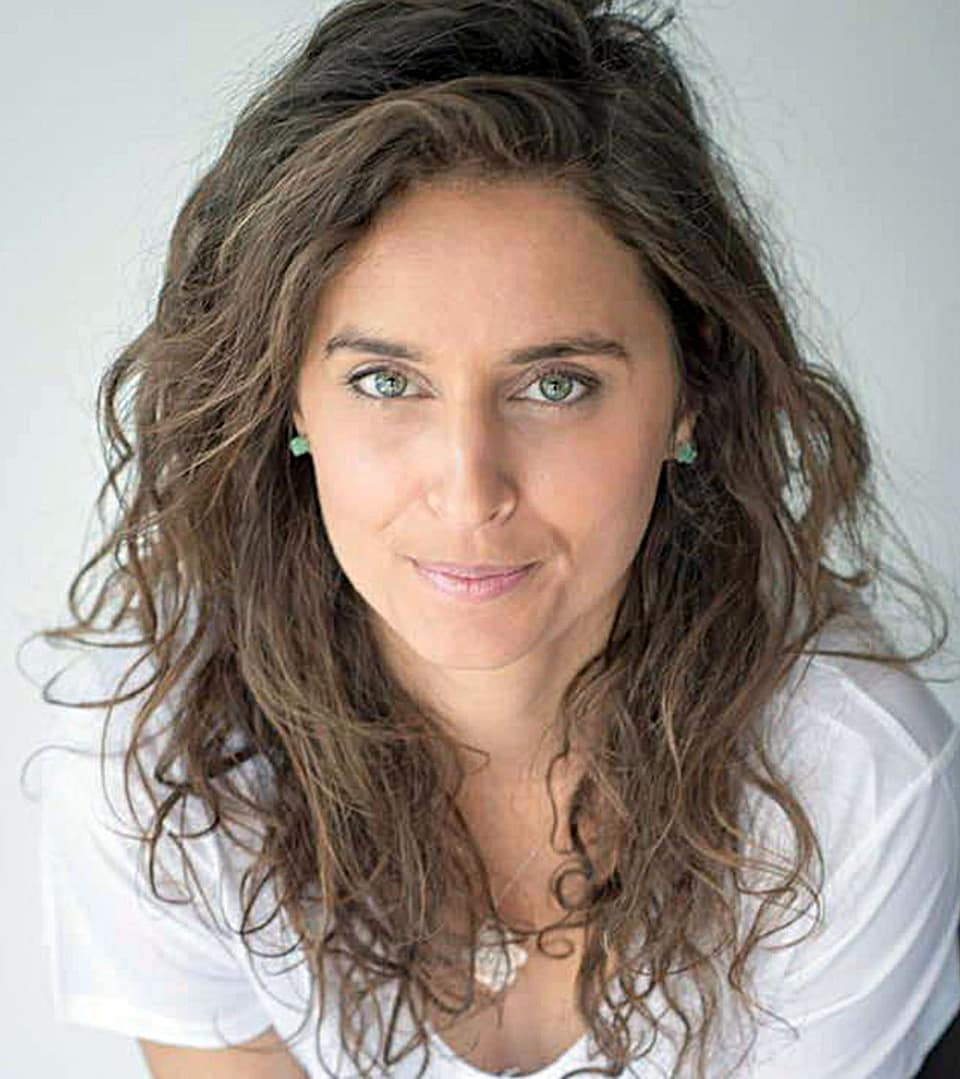
Helen is originally from the UK but had been living in Australia for several years when we met. She had a psychology degree, a grounded intelligence, and a genuine interest in people — but she’d hit a wall when it came to translating that into a career direction she actually believed in.
She wasn’t sure what to do with her qualifications. A traditional clinical path felt misaligned. Corporate HR felt hollow. She knew she had something to offer; she just couldn’t see clearly where or how. That kind of in-between space — competent but unclear — can be surprisingly paralysing.
Helen came to one of my retreat programmes that combined coaching, mindset sessions, surfing, and yoga. The format was built specifically for people who need more than a conversation to break through — they need a different environment entirely.
What Was Actually Happening
When we started working together, what emerged wasn’t primarily a career problem — it was a clarity problem. Helen had a set of values and a way of seeing the world that hadn’t yet been named or made concrete. Without that foundation, every option looked equally vague.
She also had a number of limiting beliefs running quietly in the background — stories about what was realistic, what people like her “did,” and what she was and wasn’t capable of building from scratch. These weren’t dramatic or obvious. They were the kind of background noise that shapes decisions without ever being examined directly.
5
Days Private Retreat
3
Months Online Coaching
New
Career Built on Her Terms
The Process
The daily mindset sessions during the five days followed a structured progression — not a rigid agenda, but a deliberate arc. We moved from surface to depth, and from reflection to action.
Core values mapping. This is always where we start. Values aren’t abstract principles — they’re the things that, when honoured, make you feel aligned, and when violated, make you feel like something is wrong. Getting specific about Helen’s gave us a compass for everything that followed.
Limiting belief work. Once the values were clear, it became easier to identify the beliefs that were blocking action. We worked through these methodically — not to “fix” Helen, but to give her the ability to see them for what they were and choose not to be run by them.
Goal setting and planning. With clarity on what mattered and what was in the way, we could build toward something concrete. We defined goals with realistic milestones and a structure for how to pursue them.
Energy and execution habits. Drawing on tools from sports psychology — the same work I’ve done with athletes — we looked at what Helen needed to be resourceful on a daily basis. Morning routines, evening wind-downs, recovery practices. The psychological groundwork is only as good as the physical and energetic base it sits on.
After the retreat, we continued with weekly online sessions for roughly three months. That was the execution phase — where Helen moved from clarity to traction, making decisions and building the foundations of her next chapter in real time.
Where She Is Now
Helen created and now runs workplace wellbeing programmes — a space that draws on her psychology background, her genuine interest in people, and her own lived experience of navigating transitions. It’s work she believes in and built deliberately, rather than fell into.
By her own account, she’s more fulfilled and more herself in this chapter than she’s been in a long time. That’s not a small thing.
“Dris helped me to define my purpose, reflect on my values and beliefs and visualize the steps I can take to achieve my goal.”

— Rochelle
— Helen, UK / Australia